
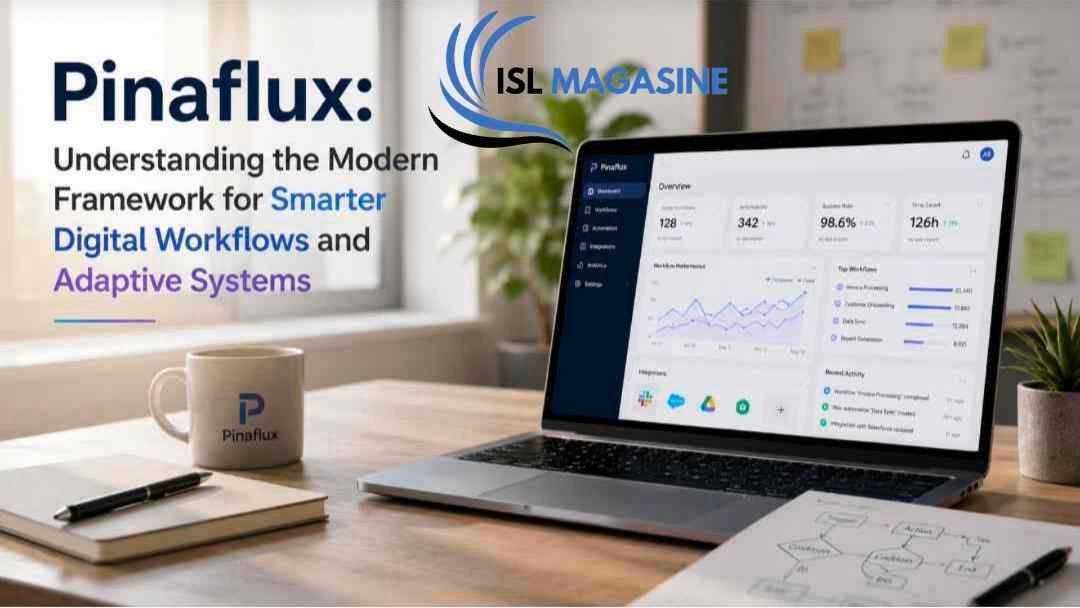
Pinaflux: Understanding the Modern Framework for Smarter Digital Workflows and Adaptive Systems
In today’s rapidly evolving digital environment, organizations and individuals are constantly searching for better ways to manage information, streamline operations, and improve decision-making. As technology continues to shape how people work and communicate, new concepts emerge to address the growing need for flexibility and efficiency. One such concept gaining attention is pinaflux.
The idea behind pinaflux revolves around creating adaptable systems that can process information efficiently while maintaining resilience in changing environments. Whether applied to business operations, digital transformation initiatives, or personal productivity strategies, this framework offers a practical approach to handling modern challenges. By focusing on structured information flow and continuous adaptation, it provides valuable insights for organizations seeking sustainable growth.
The Concept and Purpose of Pinaflux
At its core, pinaflux represents a structured approach to managing information, workflows, and decision-making processes. Rather than relying on rigid systems that struggle to adapt to change, this concept emphasizes flexibility and responsiveness.
Modern organizations often deal with large volumes of data coming from multiple sources. Without proper systems in place, information can become fragmented, leading to delays and inefficiencies. The framework encourages the creation of interconnected processes where information moves smoothly between departments, teams, and technologies.
This approach is particularly relevant in an era where digital transformation has become a strategic priority. Businesses require systems capable of responding to market changes, customer expectations, and technological advancements without disrupting operations.
The Importance of Adaptability
Adaptability has become one of the most valuable qualities in modern business environments. Organizations that can quickly adjust to changing conditions often outperform competitors. The principles associated with this framework support agile thinking, continuous improvement, and long-term resilience.
Supporting Better Decision-Making
When information flows efficiently, leaders can make informed decisions based on accurate and timely data. This reduces uncertainty and helps organizations respond more effectively to challenges and opportunities.
Key Principles Behind Effective Digital Flow
The framework is built around several foundational principles that support efficient operations and sustainable development.
One important principle is simplicity. Complex systems often create confusion and slow productivity. By reducing unnecessary complications, organizations can improve communication and streamline workflow management.
Another essential principle is resilience. Every system encounters disruptions, whether caused by market fluctuations, technical issues, or organizational changes. A resilient structure ensures that operations continue even when unexpected challenges arise.
Structured freedom is another valuable concept. While processes should provide guidance and consistency, they should also allow room for creativity and innovation. This balance enables teams to remain productive while exploring new ideas and solutions.
These principles work together to create environments where information management, collaboration, and operational efficiency can thrive.
How Modern Organizations Can Apply Pinaflux

Businesses across industries face increasing pressure to improve efficiency while maintaining flexibility. The ideas associated with pinaflux can be applied in numerous ways to support these objectives.
Organizations can begin by evaluating how information moves through their existing systems. Identifying bottlenecks, communication gaps, and redundant processes helps create opportunities for improvement.
Workflow Optimization Strategies
Workflow optimization involves designing processes that reduce delays and eliminate unnecessary tasks. This may include automating repetitive activities, integrating digital tools, and improving collaboration between departments.
By creating more efficient workflows, organizations can save time, reduce operational costs, and improve overall productivity.
Data Integration and Management
Data often exists in separate systems, making it difficult to generate meaningful insights. Integrating information from multiple sources helps organizations develop a comprehensive understanding of operations, customer behavior, and performance metrics.
Effective data management supports strategic planning and enables faster responses to changing business conditions.
The Role of Technology in Adaptive Systems
Technology plays a critical role in supporting modern adaptive frameworks. Advanced software solutions, cloud computing platforms, artificial intelligence tools, and automation technologies help organizations manage increasingly complex environments.
Cloud-based systems provide accessibility and scalability, allowing teams to collaborate regardless of location. Automation tools reduce manual workloads, enabling employees to focus on higher-value tasks.
Artificial intelligence contributes by identifying patterns, generating insights, and supporting predictive analysis. These capabilities enhance decision-making and help organizations anticipate future challenges.
Digital transformation initiatives frequently rely on technologies that facilitate seamless information flow and real-time communication. When combined with adaptable processes, these tools create more responsive and efficient operational environments.
Furthermore, cybersecurity remains an essential consideration. As organizations become more connected, protecting sensitive information becomes increasingly important. Secure digital infrastructures ensure that innovation and efficiency do not come at the expense of data protection.
Future Trends and Long-Term Significance
As digital ecosystems continue to evolve, the principles associated with pinaflux are likely to become even more relevant. Organizations are facing unprecedented levels of complexity, requiring systems capable of adapting quickly while maintaining stability.
Future workplace trends emphasize collaboration, remote work, and real-time communication. Adaptive frameworks support these developments by enabling seamless interaction between people, technologies, and processes.
The growing importance of artificial intelligence, machine learning, and predictive analytics further reinforces the need for flexible information management systems. Businesses that successfully integrate these technologies into their operations will be better positioned for long-term success.
Sustainability is another emerging priority. Organizations increasingly seek operational models that promote efficiency while minimizing waste and resource consumption. Adaptive systems contribute to these goals by improving resource allocation and supporting continuous optimization.
As industries continue to transform, the ability to manage information effectively and respond to change will remain a critical competitive advantage. Concepts centered around adaptability and structured information flow are expected to play an increasingly important role in shaping future business strategies.
FAQ’S
Q. What is pinaflux?
- It is a conceptual framework focused on adaptable workflows, efficient information flow, and resilient systems that support modern organizational needs.
Q. Why is adaptability important in digital environments?
- Adaptability allows organizations to respond quickly to changes, reduce disruptions, and maintain productivity in evolving conditions.
Q. Can small businesses benefit from this approach?
- Yes. Small businesses can improve efficiency, streamline operations, and enhance decision-making by applying adaptive workflow principles.
Q. How does technology support adaptive systems?
- Technology enables automation, data integration, collaboration, and real-time communication, making systems more efficient and responsive.
Q. Is this concept limited to business use?
- No. The principles can also be applied to personal productivity, project management, and information organization.
Conclusion:
The modern digital landscape demands systems that are both efficient and adaptable. As organizations navigate growing complexity, the need for structured information management and resilient workflows becomes increasingly important. The concept of pinaflux offers a practical perspective on how information, technology, and decision-making can work together to create more responsive environments.
By emphasizing adaptability, workflow optimization, data integration, and continuous improvement, this framework provides valuable guidance for organizations seeking sustainable growth. As digital transformation continues to influence industries worldwide, the principles associated with adaptive systems will remain highly relevant for businesses and individuals alike.