
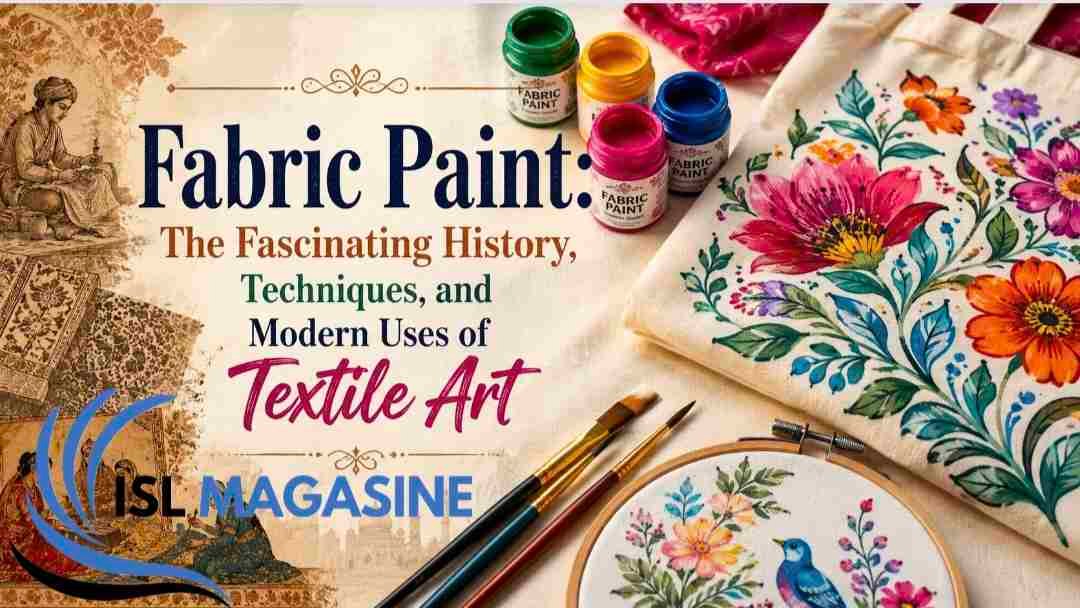
Fabric Paint: The Fascinating History, Techniques, and Modern Uses of Textile Art
Fabric decoration has been a part of human culture for thousands of years, transforming ordinary textiles into artistic masterpieces. Today, fabric paint remains one of the most popular methods for customizing clothing, home décor, and creative textile projects. From ancient civilizations to modern fashion designers, the art of painting on fabric has evolved while maintaining its cultural and artistic significance.
The history of fabric painting stretches back thousands of years, long before paper became widely available. Ancient societies used natural pigments, dyes, and handcrafted tools to create intricate designs on woven materials. Over time, different regions developed unique textile painting traditions that continue to inspire artists and designers today. Understanding the origins and development of this art form provides valuable insight into the creative journey of textile decoration.
The Ancient Origins of Fabric Painting
The story of fabric painting begins with the earliest civilizations that learned how to weave fibers into cloth. Once humans developed woven textiles, they began decorating them using pigments, dyes, and painted designs. Historians believe that fabric decoration techniques existed as early as 3000 BCE in Asia, where artisans experimented with coloring and pattern-making methods.
Two primary methods emerged during this period. The first involved directly applying color to cloth, while the second focused on creating patterns through resist techniques before adding color. These foundational methods eventually influenced many textile traditions around the world.
Early Printing Blocks and Decorative Techniques
Archaeological discoveries reveal that printing blocks used for textile decoration existed around 3000 BCE. These carved blocks allowed artisans to reproduce complex patterns efficiently. Such innovations played a major role in the spread of textile art across ancient societies.
The Growth of Fabric Painting Across Asia
Asia played a crucial role in developing textile painting traditions. Ancient India became particularly famous for its colorful printed and painted fabrics. Historical records suggest that by the time Alexander the Great reached India in 327 BCE, beautifully decorated textiles were already widely used and highly valued. These fabrics later became important trade goods that traveled across Asia, Egypt, Greece, and beyond.
China also contributed significantly to textile decoration through block printing, stencil work, and resist techniques. These methods later influenced Japanese textile arts, leading to the development of sophisticated fabric patterning traditions that are still admired today.
The Influence of Kalamkari Art
One of India’s most celebrated textile traditions is Kalamkari. This ancient art form involved hand-painting fabrics using bamboo pens and natural dyes derived from plants and minerals. Kalamkari artworks often depicted mythology, religious themes, and cultural stories, making textiles an important medium for visual storytelling.
Traditional Techniques That Shaped Modern Fabric Paint

Many traditional textile decoration methods continue to influence modern fabric art. Among the most famous are batik, tie-dye, and shibori. These techniques rely on creating patterns through folding, tying, waxing, or resisting areas of fabric before applying color. Their popularity demonstrates how ancient artistic methods remain relevant in contemporary design.
Another important advancement was the use of natural dyes sourced from flowers, leaves, minerals, and other organic materials. These dyes produced rich colors and helped establish textile painting as both an artistic and cultural practice.
As trade routes expanded, these techniques spread across continents, influencing textile traditions in Europe, Africa, and South America. Peru, for example, developed its own resist-dyeing methods around 200 BCE, showing that textile innovation emerged independently in different parts of the world.
Modern Fabric Paint and Contemporary Applications
Today’s fabric paint products differ significantly from the pigments and dyes used by ancient artisans. Modern textile paints are typically made from pigments suspended in acrylic mediums, allowing them to adhere effectively to both natural and synthetic fabrics. Once heat-set, these paints become durable and resistant to washing.
Artists and hobbyists now use textile paints for a wide range of projects, including:
- Customized T-shirts
- Fashion accessories
- Canvas bags
- Cushion covers
- Wall hangings
- Quilts and textile art
The accessibility of modern painting supplies has made textile decoration a popular creative hobby worldwide. Whether someone is creating a personalized gift or designing a professional fashion collection, fabric painting offers endless possibilities.
Fabric Paint vs Fabric Dye
Although many people use the terms interchangeably, fabric paint and fabric dye serve different purposes. Dyes penetrate and chemically bond with fibers, while paints sit on the surface of the fabric. This distinction affects texture, durability, and the final appearance of the artwork. Fabric paints are often preferred for detailed illustrations and decorative designs because they provide greater control and visibility.
Why Fabric Painting Remains Popular Today
The continued popularity of fabric paint reflects the timeless appeal of artistic self-expression. In an era dominated by mass-produced products, people increasingly value handmade and personalized items. Fabric painting allows individuals to transform ordinary textiles into meaningful creations that reflect their personality and creativity.
Modern designers also appreciate textile painting for its sustainability benefits. Rather than discarding old garments, artists can refresh and redesign them through painting techniques. This practice supports eco-friendly fashion while encouraging creativity and resourcefulness.
The growth of online tutorials, workshops, and social media communities has further expanded interest in fabric painting. Artists from different cultures now share techniques, inspirations, and innovations, helping preserve traditional methods while introducing new artistic approaches. As a result, textile painting continues to evolve while honoring its rich historical roots.
Frequently Asked Questions
What is fabric painting?
Fabric painting is the process of applying colors, pigments, or paints directly onto textiles to create decorative designs and artistic patterns.
How old is the history of fabric painting?
Historical evidence suggests that fabric painting and textile decoration date back at least 3000 BCE.
Which country is known for early fabric painting traditions?
India, China, and Japan are among the most influential countries in the development of ancient textile painting techniques.
Can fabric paint be washed?
Yes. Most modern fabric paints become permanent after proper heat-setting and can withstand regular washing.
What is the difference between fabric paint and fabric dye?
Fabric paint remains on the surface of the fabric, while fabric dye penetrates and bonds with the fibers.
Conclusion:
The journey of fabric paint from ancient textile traditions to modern creative expression is a remarkable story of innovation, culture, and artistry. Early civilizations used simple pigments and handcrafted tools to decorate woven fabrics, laying the foundation for techniques that continue to inspire artists today. From Indian Kalamkari and Chinese block printing to Japanese resist methods and contemporary textile art, fabric painting has evolved across centuries while preserving its creative essence.
Today, fabric paint serves as both an artistic medium and a practical tool for personalization, fashion design, and sustainable creativity. As technology advances and new materials emerge, the future of textile painting remains bright, ensuring that this ancient art form continues to captivate and inspire generations around the world.